
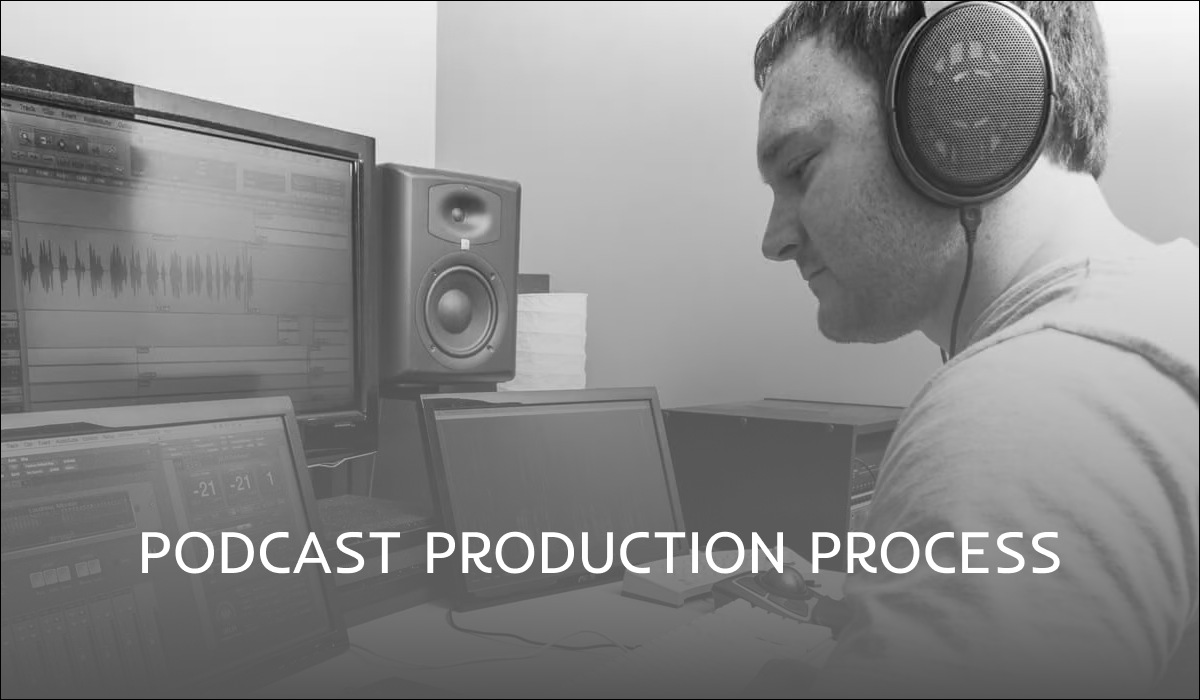
The podcast production process has five main stages: plan, record, edit, publish and promote. Following a simple, repeatable workflow helps beginners create better episodes in less time. This step-by-step guide walks you through the full podcast production process in 2026, from first idea to launch day and beyond.
Stage 1: Plan your podcast
1. Define your concept
Choose your niche, target listener and what makes your show different. A one-sentence description of your podcast will guide every decision.2. Research and plan episodes
Brainstorm topics, check what your audience is searching for and build a content calendar for your first 8 to 10 episodes.3. Script or outline each episode
Write a hook, your main talking points, questions for guests and a closing call to action. Outlines keep you focused without sounding robotic.Stage 2: Record
4. Set up your recording space
Use a good USB or dynamic microphone, wear headphones and record in a quiet room with soft furnishings to reduce echo.5. Record clean audio (and video)
Do a quick test recording, speak clearly and keep a steady distance from the mic. If you plan to publish on YouTube, record video at the same time.Stage 3: Edit and polish
6. Edit the episode
Remove long pauses, mistakes and off-topic tangents. Many editors now use transcripts and AI-assisted tools to speed this up.7. Add sound design
Add intro music, simple transitions and light background music where it helps. Keep it subtle.8. Mix and master
Balance voice and music levels and normalize loudness so every episode sounds consistent across apps.Stage 4: Publish
9. Create artwork and branding
Design bold, readable cover art and episode thumbnails that look good at small sizes.10. Choose a podcast host
Upload episodes to a hosting platform such as Spotify for Creators, Buzzsprout, Libsyn or Podbean, which distributes your show to Apple Podcasts, Spotify and other apps.11. Write strong titles and show notes
Use clear, keyword-rich titles, a helpful description, timestamps and links. This helps search engines and AI tools understand and recommend your episodes.Stage 5: Launch and promote
12. Plan your launch
Launch with two or three episodes at once so new listeners can binge, and tell your network in advance.13. Promote every episode
Share short clips on social media, email your list, publish on YouTube and look for guest spots on other shows.14. Engage with listeners
Reply to comments and reviews and invite feedback to build a loyal community.15. Review and improve
Check your analytics regularly, keep a consistent schedule and adjust your format based on what your audience enjoys.Podcast production checklist
- Episode outline ready
- Mic, headphones and quiet room checked
- Audio edited, mixed and loudness-normalized
- Title, description and show notes written
- Episode uploaded and scheduled
- Clips and social posts prepared