
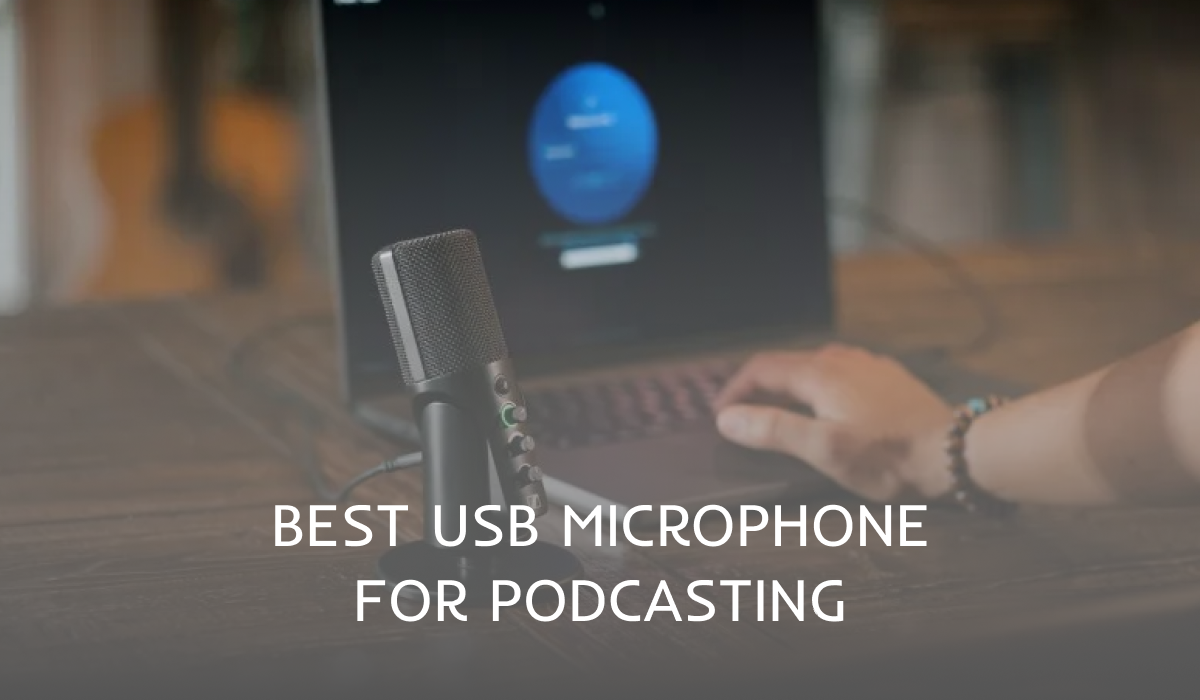
The best USB microphone for podcasting in 2026 is the one that suits your room, your budget and how you plan to grow. For most beginners, a dynamic USB mic such as the Samson Q2U or Audio-Technica ATR2100x-USB gives clean voice audio at a low price. If you have more to spend, the Shure MV7+ and Rode PodMic USB sound close to studio quality while still plugging straight into your computer. Below, we compare the best options at every price level and explain how to choose.
Why choose a USB microphone for your podcast?
A USB microphone connects directly to your laptop or computer. You don’t need an audio interface, mixer or extra cables, so you can start recording in minutes. That makes USB mics ideal for new podcasters, solo shows and remote interviews. Many modern USB mics also have an XLR output. This “hybrid” design means you can upgrade to an audio interface later without buying a new microphone.Dynamic vs condenser: which type is better for podcasting?
- Dynamic microphones pick up sound mainly from directly in front of them. They ignore much of the room echo, keyboard clicks and street noise. They are the best choice for most home podcasters.
- Condenser microphones are more sensitive and capture more detail. They sound great in a quiet, treated room, but they also pick up every echo and background sound in an untreated one.
The best USB microphones for podcasting in 2026
Prices below are approximate and change often, so check current prices before you buy.1. Shure MV7+ (best overall)
The Shure MV7+ is a dynamic mic with both USB-C and XLR outputs. It is built for spoken word, with a warm, broadcast-style sound. Its companion app offers automatic level control and noise reduction, which helps beginners get a polished result. It costs around $279, so it is an investment, but it can grow with your show for years.2. Rode PodMic USB (best for a classic radio sound)
The Rode PodMic USB is a heavy, well-built dynamic mic with USB-C and XLR connections. It has a rich, full voice tone and built-in processing you can control in Rode’s free software. Expect to pay around $200. You will want a boom arm, as it is designed to sit close to your mouth.3. Audio-Technica ATR2100x-USB (best value)
The ATR2100x-USB is a long-time favourite with podcasters. It is a dynamic mic with USB-C and XLR outputs, a headphone jack for monitoring, and clear voice reproduction. At around $99, it offers excellent value and handles noisy rooms well.4. Samson Q2U (best budget pick)
The Samson Q2U is one of the best-known budget podcast mics. It is a dynamic mic with USB and XLR outputs and usually costs around $60 to $70, often bundled with a stand. It is a great first microphone for anyone testing whether podcasting is right for them.5. Rode NT-USB Mini (best compact condenser)
The Rode NT-USB Mini is a small, simple condenser mic with a magnetic stand and a headphone output. It sounds clear and natural and costs around $89. Because it is a condenser, it works best in a quiet room with soft furnishings.6. Elgato Wave:3 (best for streaming and podcasting)
The Elgato Wave:3 is a condenser USB mic aimed at creators who stream as well as podcast. Its “Clipguard” feature helps prevent distortion when you laugh or shout, and its software lets you mix your mic with other audio sources. It is a good choice if you record video podcasts or live streams.7. Logitech G Yeti (formerly Blue Yeti)
The Yeti is one of the most popular USB microphones ever made and is now sold under the Logitech G brand. It is a condenser mic with several pickup patterns, so you can record solo, face-to-face interviews or a group around one mic. It sounds great in a quiet space, but it can pick up a lot of room noise.8. HyperX QuadCast (best for a stylish desk setup)
The HyperX QuadCast is a condenser USB mic with a built-in shock mount, pop filter, tap-to-mute button and multiple pickup patterns. It is popular with gamers and streamers and works well for podcasters with a quiet recording space.Quick comparison
- Best overall: Shure MV7+ (dynamic, USB-C and XLR)
- Best radio-style sound: Rode PodMic USB (dynamic, USB-C and XLR)
- Best value: Audio-Technica ATR2100x-USB (dynamic, USB-C and XLR)
- Best budget: Samson Q2U (dynamic, USB and XLR)
- Best compact: Rode NT-USB Mini (condenser, USB)
- Best for streaming: Elgato Wave:3 (condenser, USB)
- Most versatile patterns: Logitech G Yeti and HyperX QuadCast (condenser, USB)
How to choose the right USB microphone
- Think about your room. Echoey or noisy room? Choose a dynamic mic. Quiet, soft room? A condenser can work well.
- Set a budget. You can get great results for under $100. Spend more only if you want extra features or a premium sound.
- Look for USB and XLR. A hybrid mic lets you upgrade to an audio interface later.
- Check for a headphone jack. Zero-latency monitoring helps you hear problems while you record.
- Plan for accessories. A boom arm, pop filter and foam windscreen make a big difference to sound quality and comfort.
Tips to get the best sound from any USB mic
- Keep the mic about 5 to 10 cm (2 to 4 inches) from your mouth, slightly off to the side to reduce popping sounds.
- Record in a small room with soft furnishings such as curtains, rugs and a sofa.
- Set your input level so your voice peaks around -12 dB to -6 dB, so it never distorts.
- Always wear headphones while recording to catch problems early.
- Record a short test before every episode.